
10 Receitas Saudáveis para Perder Barriga Rápido e Saboroso
Resumo Rápido:
Tempo de preparo: 30 minutos
Dificuldade: Fácil
Tipo: Nutritivo
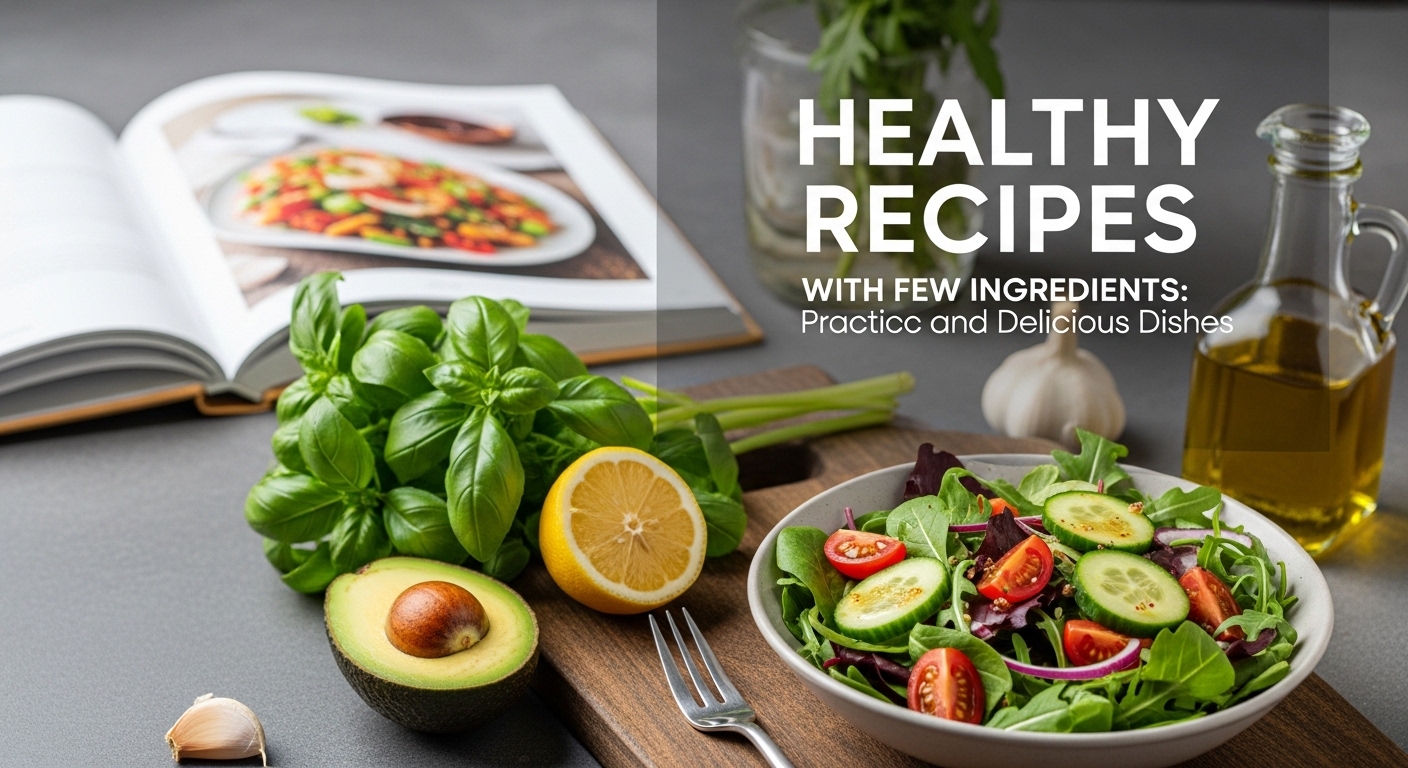
Já achei que comer saudável era sem graça até aprender a combinar os ingredientes certos. A salada de quinoa com legumes grelhados é a prova viva de que é possível ter uma refeição deliciosa, nutritiva e rápida de preparar.
O Segredo da Receita Saudável
Essa salada é uma ótima opção tanto para o almoço quanto para o jantar. Com um balanço perfeito de proteínas, fibras e vitaminas, você estará garantindo uma refeição equilibrada. Vamos ser sinceros, o segredo aqui é o tempero certo e a variedade de legumes que trazem sabor e cor ao seu prato.
| Característica | Detalhe |
|---|---|
| Tempo de Preparo | 30 minutos |
| Rendimento | 4 porções |
| Dificuldade | Fácil |
| Custo Médio | Baixo |
Ingredientes
- 1 xícara de quinoa
- 2 xícaras de água
- 1 abobrinha cortada em rodelas
- 1 pimentão vermelho em cubos
- 1 cenoura ralada
- 1/2 cebola roxa fatiada
- Azeite de oliva
- Sal e pimenta a gosto
- Suco de 1 limão
- Salsinha ou coentro picado (opcional)
Dicas de substituição: Se você não tem quinoa em casa, pode usar arroz integral ou cuscuz. Para um sabor ainda mais marcante, experimente legumes grelhados como berinjela ou aspargos.
Modo de Preparo
-
Cozinhe a quinoa: Em uma panela, leve a quinoa e a água ao fogo alto. Assim que ferver, reduza para fogo baixo, tampe e cozinhe por cerca de 15 minutos ou até que a água tenha evaporado e os grãos estejam macios.
-
Grelhe os legumes: Enquanto a quinoa cozinha, aqueça uma frigideira grande em fogo médio. Adicione um fio de azeite e, em seguida, a cebola, a abobrinha e o pimentão. Grelhe por cerca de 5-7 minutos, mexendo ocasionalmente, até que fiquem levemente dourados.
-
Misture tudo: Em uma tigela grande, misture a quinoa cozida, os legumes grelhados e a cenoura ralada. Tempere com sal, pimenta e o suco de limão.
-
Finalize: Acrescente a salsinha ou coentro picado para um frescor adicional.
-
Sirva: Deixe descansar por alguns minutos para os sabores se incorporarem e sirva morna ou fria.
Erros Comuns
-
Quinoa cozida em excesso: Se a quinoa passar do ponto, ela fica amarga. Utilize a quantidade de água correta e fique de olho no tempo de cozimento.
-
Legumes murchos: Não deixe os legumes na panela por muito tempo. Eles devem ficar macios, mas ainda crocantes.
-
Temperos sem equilíbrio: Comece temperando aos poucos. O limão e o azeite são essenciais, mas ajuste o sal e a pimenta conforme o seu gosto.
Dúvidas Frequentes
Pode substituir ingredientes?
Sim, você pode trocar os legumes de acordo com a sua preferência ou o que tiver na geladeira.
Pode congelar?
É opcional, mas a quinoa pode ser congelada. Os legumes, se grelhados antes, podem perder a textura ao serem descongelados.
Dá pra adaptar?
Com certeza! Pode adicionar proteínas como frango desfiado ou grãos como grão-de-bico para uma salada ainda mais completa.
Como Servir
Essa salada combina muito bem com proteína grelhada, como peito de frango ou tofu. Além disso, você pode servir como um acompanhamento para um peixe assado. Uma dica de consumo é adicionar abacate para uma textura cremosa e saudável.
Para que a sua refeição fique ainda mais aproveitável, lembre-se de usar ingredientes frescos e de qualidade. Aqui está o X da questão: com o planejamento certo, você consegue montar um prato não apenas saboroso, mas também nutritivo. Para mais dicas e receitas, você pode conferir Tudo Gostoso, Receiteria e Panelinha.
Boas refeições e aproveite bem seus ingredientes!
Related Post
10 Receitas Saudáveis para Emagrecer sem Sacrifícios10 Receitas Saudáveis para Emagrecer sem Sacrifícios
Resumo Rápido: Tempo de preparo: 30 minutos Dificuldade: Fácil Tipo: Leve e nutritivo Já achei que comer saudável era sem graça até aprender a combinar ingredientes de maneira criativa e
10 Receitas de Alimentação Saudável para Emagrecer com Sabor10 Receitas de Alimentação Saudável para Emagrecer com Sabor
Resumo Rápido: Tempo de preparo: 20 minutos Dificuldade: Fácil Tipo: Nutritivo e leve Já achei que comer saudável era sem graça até aprender a combinar os ingredientes certos para fazer
10 Receitas Saudáveis para Emagrecer que Você Precisa Experimentar10 Receitas Saudáveis para Emagrecer que Você Precisa Experimentar
Resumo Rápido: Tempo de preparo: 30 minutos Dificuldade: Fácil Tipo: Nutritivo, Fit Já achei que comer saudável era sem graça até aprender a combinar os ingredientes certos. Nesta receita de