
10 Receitas Saudáveis para Emagrecer que Você Precisa Experimentar
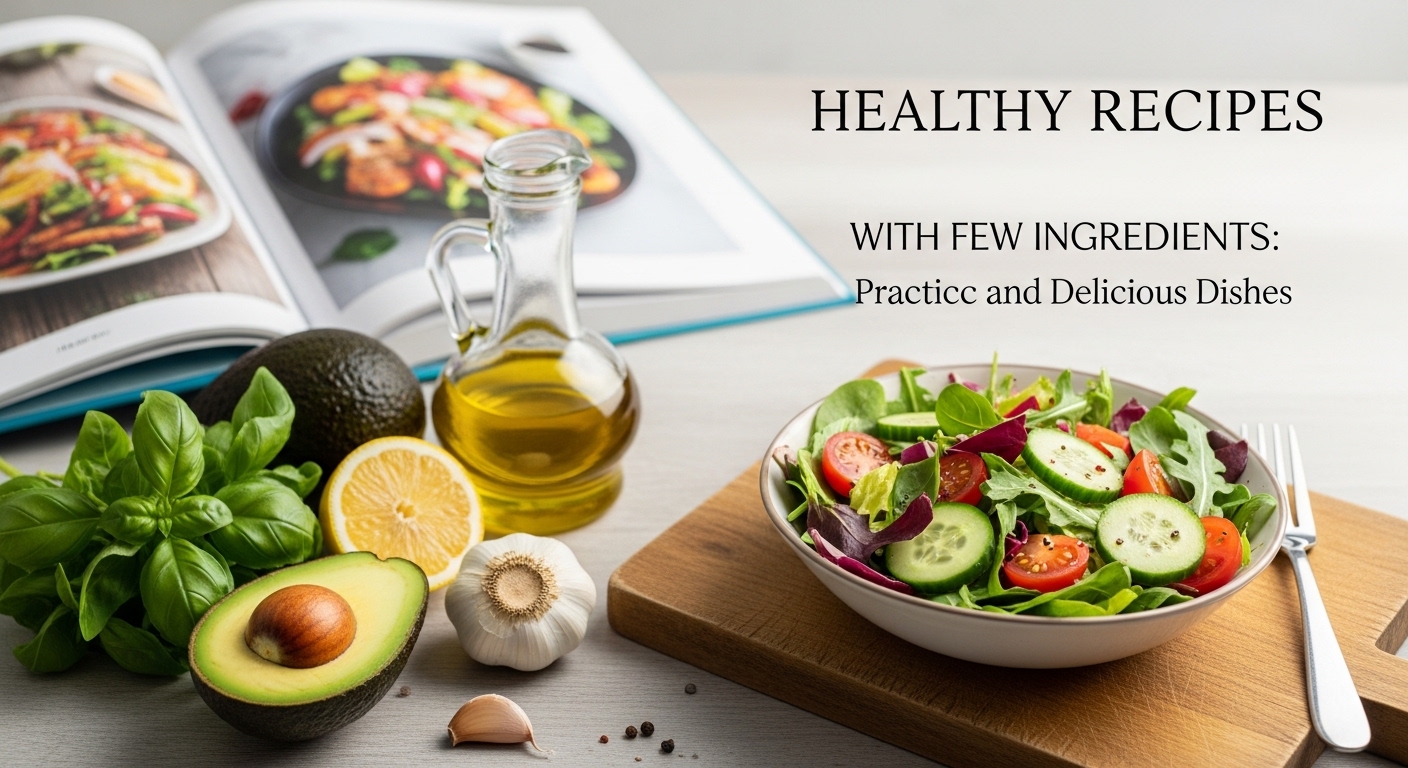
Resumo Rápido:
Tempo de preparo: 30 minutos
Dificuldade: Fácil
Tipo: Nutritivo, Fit
Já achei que comer saudável era sem graça até aprender a combinar os ingredientes certos. Nesta receita de quinoa com legumes assados, você vai descobrir como é simples preparar um almoço delicioso, nutritivo e, principalmente, prático. Vamos lá?
O Segredo da Receita Saudável
Nesta receita, o segredo é a combinação de sabores e texturas que faz da quinoa uma base perfeita para os legumes, além de ser uma excelente fonte de proteínas vegetais. Para que sua refeição seja balanceada, aposte em temperos naturais e na variedade de vegetais da estação.
TABELA
| Característica | Detalhe |
|---|---|
| Tempo de Preparo | 30 minutos |
| Rendimento | 4 porções |
| Dificuldade | Fácil |
| Custo Médio | Baixo |
Ingredientes
- 1 xícara de quinoa (pode substituir por arroz integral)
- 2 xícaras de água
- 1 abobrinha cortada em cubos
- 1 cenoura em rodelas
- 1 pimentão vermelho em cubos
- 1 cebola roxa cortada em pétalas
- Azeite de oliva a gosto
- Sal e pimenta-do-reino a gosto
- Alecrim fresco (ou ervas da sua preferência)
Pense bem: quando for escolher os legumes, opte por aqueles que você mais gosta e que estão na época, pois eles são mais saborosos e econômicos. Você pode usar legumes congelados também, que costumam ser práticos e já vêm limpos.
Modo de Preparo
- Primeiramente, pré-aqueça o forno a 200°C.
- Em seguida, lave a quinoa em água corrente e leve-a a uma panela com 2 xícaras de água. Adicione uma pitada de sal e cozinhe por cerca de 15 minutos, ou até que a quinoa absorva toda a água e fique macia.
- Enquanto isso, em uma assadeira, coloque todos os legumes picados, regue com azeite, sal, pimenta e alecrim. Misture bem para que todos os legumes fiquem temperados.
- Também, leve os legumes ao forno e asse por 20 minutos, ou até que fiquem dourados. Na metade do tempo, mexa os legumes para assarem por igual.
- No fim das contas, misture a quinoa cozida aos legumes assados e sirva ainda quente.
Aqui está o X da questão: o ponto da quinoa é quando ela dobra de tamanho e fica levemente transparente, com uma pequena “caudinha”. Isso garante uma textura leve e gostosa.
Erros Comuns
- Legumes encharcados: se você não secar os legumes após lavar, eles podem soltar muita água. Solução: seque-os bem antes de assar.
- Quinoa amarga: não esquecer de lavar bem a quinoa antes de cozinhar. Essa etapa remove a saponina, que pode deixar um gosto amargo.
- Temperos sem graça: se você não temperar bem os legumes, eles podem ficar insossos. O segredo aqui é caprichar no azeite e nas ervas.
Dúvidas Frequentes
Pode substituir ingredientes?
Sim! Legumes são muito versáteis. Experimente brócolis, couve-flor ou batata-doce.
Pode congelar?
Sim, essa mistura congela bem. Armazene em porções e descongele quando precisar.
Dá pra adaptar?
Claro! Você pode adicionar proteínas como frango grelhado ou grão-de-bico para um prato ainda mais nutritivo.
Como Servir
Combine sua quinoa com legumes assados com uma folha de couve ou uma salada verde simples. Essas escolhas adicionam frescor e complementam o prato. Para ser honesto, um fio de molho de tahine por cima pode transformar a refeição!
Hoje, você aprendeu uma receita saudável rápida e prática que vai facilitar suas refeições. Aproveite também para conferir mais ideias em Tudo Gostoso e Receiteria.
Com o intuito de agradar o seu paladar e o seu corpo, experimente e faça variações dessa receita sempre que desejar. Bom apetite!
Related Post
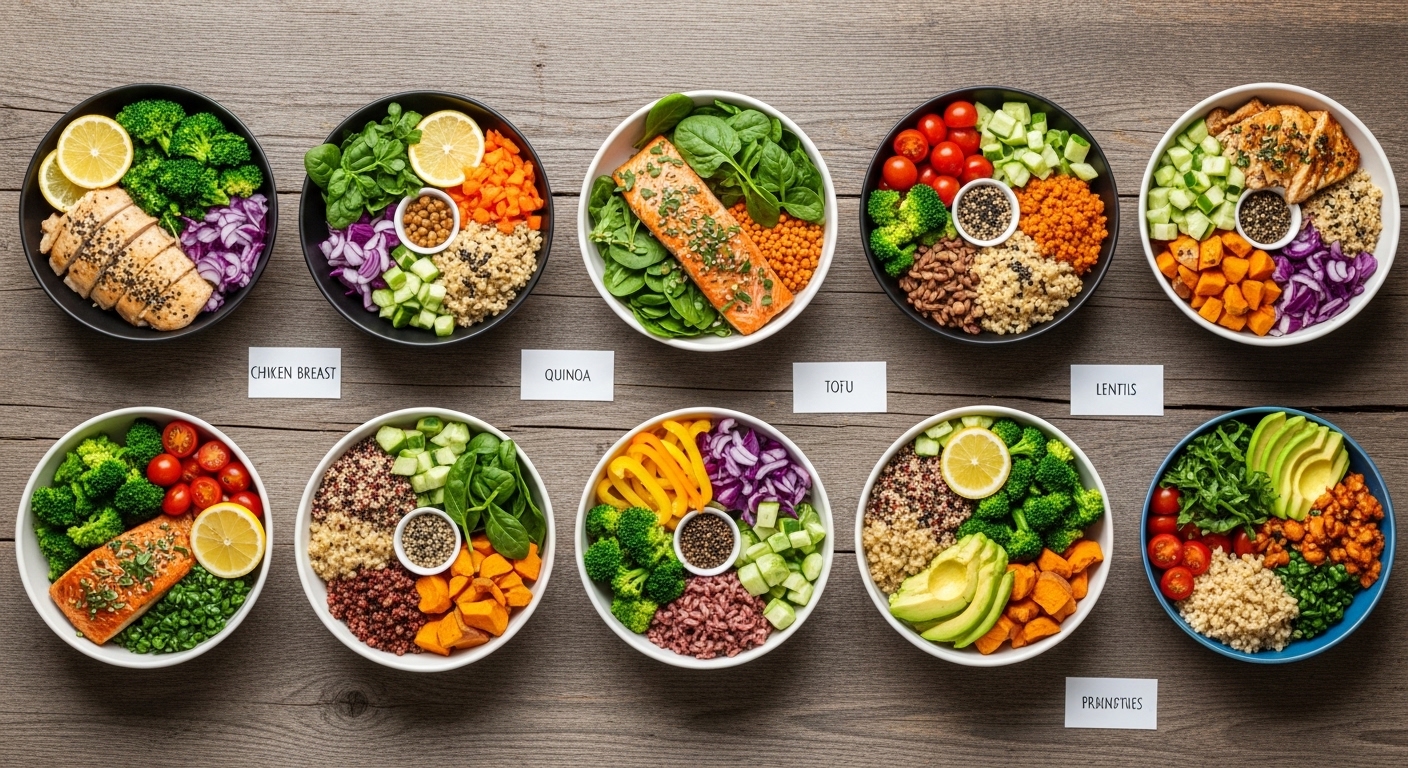
10 Receitas Deliciosas para uma Alimentação Saudável e Equilibrada10 Receitas Deliciosas para uma Alimentação Saudável e Equilibrada
Resumo Rápido: Tempo de preparo: 15 minutos Dificuldade: Fácil Tipo: Leve, nutritivo, fit Já achei que comer saudável era sem graça até aprender a combinar os ingredientes certos. O omelete
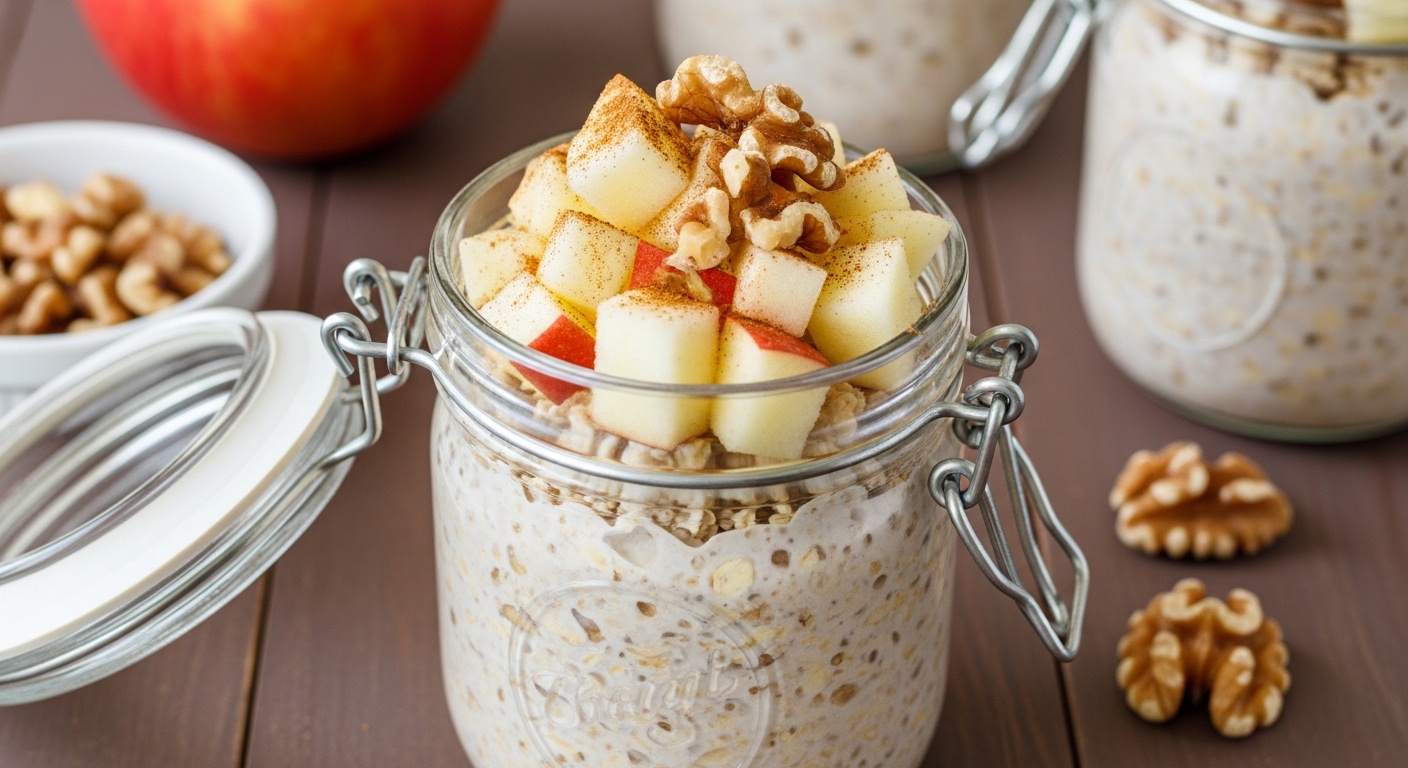
10 Receitas Saudáveis para Emagrecer sem Sacrifícios10 Receitas Saudáveis para Emagrecer sem Sacrifícios
Resumo Rápido: Tempo de preparo: 30 minutos Dificuldade: Fácil Tipo: Leve e nutritivo Já achei que comer saudável era sem graça até aprender a combinar ingredientes de maneira criativa e
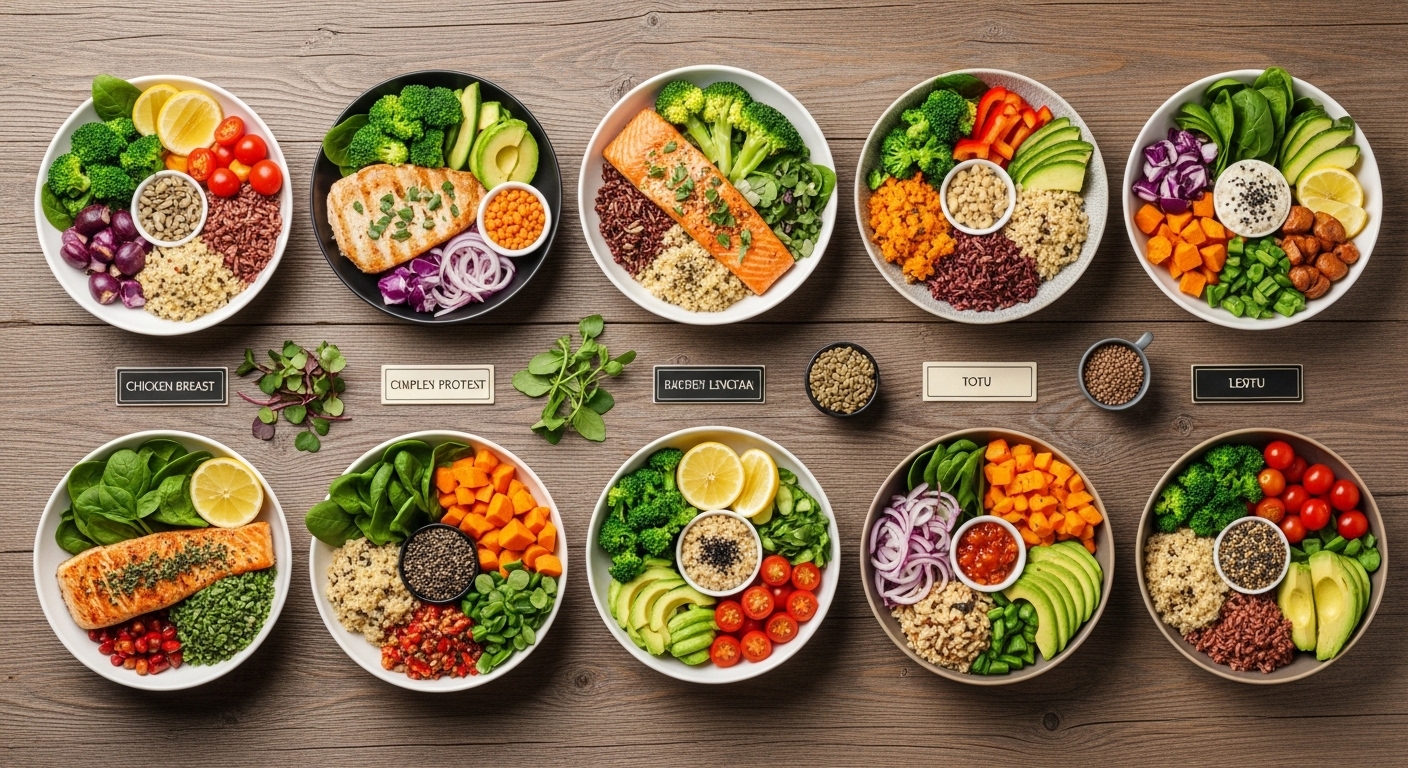
10 Receitas de Alimentação Saudável para Emagrecer com Sabor10 Receitas de Alimentação Saudável para Emagrecer com Sabor
Resumo Rápido: Tempo de preparo: 20 minutos Dificuldade: Fácil Tipo: Nutritivo e leve Já achei que comer saudável era sem graça até aprender a combinar os ingredientes certos para fazer